


The name Tristan carries deep historical significance across cultures. Many parents wonder about tristan meaning in Greek mythology. This comprehensive guide explores every aspect of this timeless name. Understanding tristan name meaning and origin helps appreciate its beauty.
The tristan meaning in Hebrew differs significantly from Greek interpretations. Biblical scholars often compare the Tristan name meaning bible references today. Celtic and Greek origins create fascinating linguistic connections between cultures. Modern parents seek names with rich historical and cultural depth.
What Does Tristan Mean in Greek?
Tristan’s Greek connection stems from ancient linguistic evolution patterns. The name actually originates from Celtic and French traditions primarily. Greek scholars translated Tristan through phonetic adaptation methods over centuries. Understanding tristan meaning requires examining multiple cultural influences comprehensively.
The literal meaning connects to sadness or tumultuous concepts. Greek linguists associate Tristan with the word “tristos” meaning sad. However, this connection remains debated among contemporary etymology experts today. The Tristan name meaning boy interpretations vary across different regions.
The Greek Etymology of Tristan
Greek etymology reveals fascinating insights about this ancient masculine name. The root “trist-” connects to melancholy and sorrowful emotional states. Ancient Greek scholars borrowed names from neighboring Celtic communities frequently. Phonetic similarities between languages created interesting cross-cultural naming patterns.
Tristan doesn’t appear in the original ancient Greek naming conventions traditionally. The name entered Greek vocabulary through medieval literary translations. Romantic poetry brought Tristan into Greek cultural consciousness significantly. Modern Greek speakers recognize Tristan as an international name.
Key Etymology Points:
- Greek word “tristos” means sad or sorrowful emotion
- Celtic “drest” means riot, tumult, or bold noise
- French word “triste” influenced the modern spelling and pronunciation
- Medieval romance literature spread the name across Europe
The Historical Origin of the Name Tristan
Tristan’s historical journey begins in ancient Celtic tribal communities. The original Celtic form was “Drystan” or “Drustan” historically. Medieval French literature transformed the spelling into the modern Tristan form. The name gained popularity through legendary tales of romance.
British and French cultures shaped Tristan’s evolution most significantly. The tristan meaning in different languages varies based on adaptation. Greek-speaking regions adopted Tristan through European cultural exchange networks. Historical records show Tristan usage spanning over eight centuries.
Early medieval manuscripts preserve the oldest written Tristan references. Knights and noblemen commonly bore this distinguished name throughout Europe. Tristan name origin and meaning fascinated scholars across generations. Royal courts embraced Tristan as a symbol of chivalry.
Tristan in Greek Mythology and Ancient Stories
Tristan doesn’t appear in classical Greek mythology texts directly. However, Greek storytellers adapted the Tristan legend into literature. The tale of Tristan and Isolde captivated Greek audiences. Medieval Greek manuscripts contain translated versions of romantic legends.
Byzantine scholars preserved many Western European stories through translation. The Tristan and Isolde story became popular in Greece. Greek poets reimagined the tragic love story culturally. Themes of forbidden love resonated deeply with Greek audiences.
Mythological Comparisons:
| Greek Hero | Tristan Parallel | Common Theme |
| Orpheus | Tragic lover | Doomed romance |
| Achilles | Noble warrior | Honor and courage |
| Paris | Forbidden love | Star-crossed passion |
| Theseus | Brave knight | Heroic deeds |
Cultural Significance of Tristan in Greek History
Greek culture absorbed Tristan through medieval literary exchange periods. Byzantine Empire scholars translated Western romance into Greek language. The name symbolized romantic idealism and knightly virtue traditionally. Greek aristocracy admired Western European chivalric traditions and names.
Tristan represented cultural bridge between East and West historically. Greek intellectuals studied Arthurian legends and Celtic mythology extensively. The tristan meaning in english influenced Greek interpretations significantly. Literary salons discussed the deeper philosophical meanings behind names.
How Ancient Greeks Used the Name
Ancient Greeks rarely used Tristan in traditional naming practices. The name emerged during the Byzantine medieval period primarily instead. Greek Orthodox naming conventions favored saints’ names over foreign ones. Tristan remained uncommon but was recognized among educated Greek classes.
Aristocratic families sometimes adopted Western European names like Tristan. Crusader interactions brought new naming traditions into Greek territories. The name signified cosmopolitan worldview and cultural sophistication levels. Modern usage differs significantly from historical Byzantine naming patterns.
The Connection Between Tristan and Greek Language
Greek language adapted Tristan through phonetic transliteration methods carefully. The pronunciation “Τρισταν” (Treestan) maintains the original sound closely. Greek grammar treats Tristan as an indeclinable foreign masculine noun. Linguistic scholars study how Greek absorbed Western European names.
Tristan meaning name encompasses multiple linguistic layers today. Greek speakers understand Tristan as international rather than native. Language evolution shows fascinating patterns of cultural name adoption. Phonetic compatibility made Tristan easy for Greek speakers to understand naturally.
Linguistic Features:
- Greek spelling: Τρισταν (Treestan)
- Gender: Masculine only
- Declension: Indeclinable foreign name
- Origin recognition: Western European/Celtic
Tristan vs. Greek Names: Similarities and Differences
Traditional Greek names often honor saints or mythological figures. Names like Alexandros, Dimitrios, and Andreas remain most popular. Tristan lacks the Orthodox Christian connection typical Greek preferences. However, both traditions value names with historical significance deeply.
Greek names typically carry patronymic or religious meaning connections. The Tristan name meaning and pronunciation differ from Greek phonetics. Greek parents choosing Tristan seek international modern appeal today. Traditional names connect children to Greek heritage and culture.
Comparison Table:
| Aspect | Tristan | Greek Names |
| Origin | Celtic/French | Greek/Biblical |
| Religious | Secular | Orthodox saints |
| Popularity | Modern/International | Traditional/Local |
| Meaning | Sorrowful/Bold | Varied/Religious |
Modern Usage of Tristan in Greek-Speaking Countries
Contemporary Greek parents increasingly choose international names like Tristan. Globalization influences modern Greek naming trends significantly across generations. Urban areas show higher rates of non-traditional name adoption. The Tristan meaning of the name appeals to modern parents.
Greek-speaking Cyprus shows similar patterns in naming conventions. Young parents seek names that work internationally for children. Tristan offers easy pronunciation across multiple European languages simultaneously. Traditional grandparents sometimes resist non-Greek name choices initially.
Statistics show Tristan gaining popularity in Greek urban centers. The name ranks among the top foreign names chosen recently. Greek celebrities occasionally name children Tristan for international appeal. Social media influences modern naming decisions among young parents.
Why Parents Choose Tristan: Greek Heritage Perspective
Greek parents value names with strong historical foundations. Tristan’s medieval romance background appeals to literary sensibilities. The name sounds sophisticated and works internationally very well. Modern Greeks appreciate names that connect to broader European culture.
The Tristan meaning boy, represents strength and romantic idealism. Parents seek names that aren’t overly common locally. Tristan provides uniqueness while maintaining familiarity and recognition. International business and travel influence naming decisions significantly.
Top Reasons Parents Choose Tristan:
- Easy pronunciation across multiple languages globally
- Strong literary and historical associations culturally
- Modern and sophisticated sound appealing to parents
- Works well in professional international settings
- Unique choice within Greek-speaking communities
Famous People Named Tristan with Greek Heritage
Several notable figures named Tristan have Greek ancestry. Greek-American communities produce many successful Tristan-named individuals. Athletes, artists, and professionals bear this distinguished name. The Tristan name meaning biblical connections, interests some families.
Tristan Thompson, though not Greek, has international recognition. Greek diaspora communities embrace diverse naming conventions today. Second-generation immigrants often choose names that bridge cultures successfully. Famous Tristans inspire parents considering this name choice.
Greek-Australian and Greek-Canadian communities show the highest Tristan usage. Professional athletes with Greek heritage sometimes bear this name. The entertainment industry features several Greek Tristans internationally. Cultural pride and modern identity coexist in naming.
Tristan Name Variations Across Greek Regions
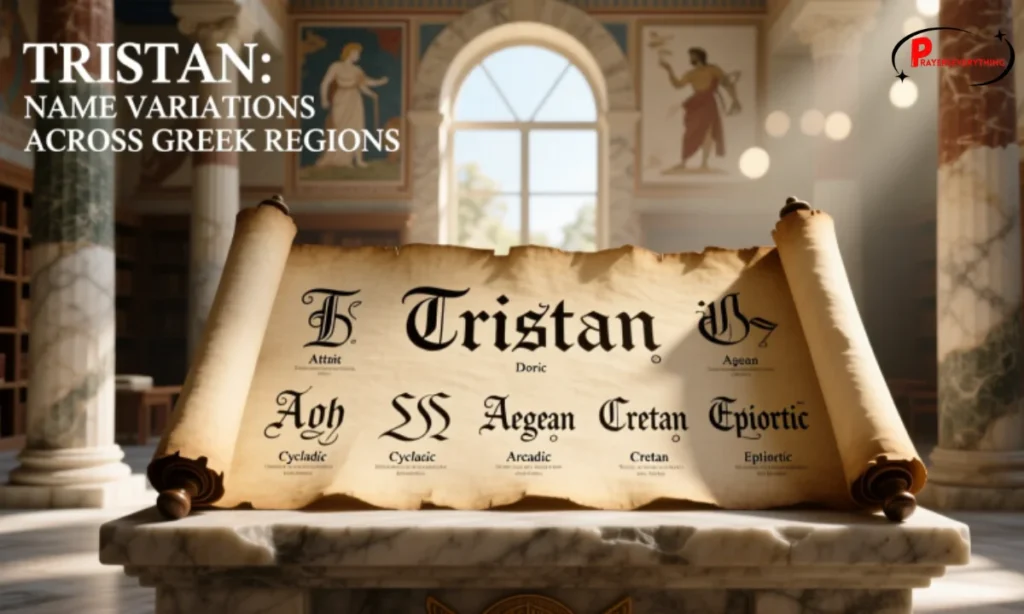
Greek regions show consistent spelling Τρισταν across areas. Pronunciation remains relatively uniform throughout Greek-speaking territories today. Cyprus uses the same spelling and pronunciation as the mainland. Regional dialects don’t significantly affect Tristan’s pronunciation patterns.
Tristan meaning in Latin influenced the Greek adoption significantly. Mainland Greece and island communities share naming conventions. Urban versus rural areas show different adoption rates. Athens and Thessaloniki lead in international name choices.
Regional Observations:
- Athens: Highest adoption of international names
- Thessaloniki: Growing trend among young parents
- Greek Islands: More traditional naming persists
- Cyprus: Similar patterns to mainland Greece
The Symbolism Behind Tristan in Greek Culture
Tristan symbolizes the bridge between Greek and Western cultures. The name represents openness to international influences today. Greek intellectuals view Tristan as culturally sophisticated choice. Romantic literary traditions appeal to Greek artistic sensibilities.
Tristan meaning in Spanish and other languages varies. Greeks appreciate names with pan-European recognition and respect. Tristan embodies modern Greek identity, balancing tradition with progress. Cultural symbolism extends beyond simple name meaning alone.
Medieval romance resonates with Greek romantic cultural traditions. The tragic love story parallels Greek mythological themes. Parents choosing Tristan value literary and historical depth. Symbolism includes courage, loyalty, and passionate love ideals.
How to Pronounce Tristan in Greek
Greek pronunciation follows phonetic spelling rules consistently: TREE-stahn. The emphasis falls on the first syllable. Greek speakers maintain the original French-influenced pronunciation closely. The Tristan pronunciation differs slightly from English versions.
Native Greek speakers pronounce both syllables clearly and distinctly. The “i” sounds like “ee” in Greek. The final “n” remains soft but audible. International schools teach standardized pronunciation across languages.
Pronunciation Guide:
- Greek: TREE-stahn (Τρισταν)
- English: TRIS-tən
- French: tree-STAHN
- Emphasis: First syllable in Greek
Is Tristan a Popular Name in Greece Today?
Tristan ranks among the top fifty foreign names recently. Traditional Greek names still dominate overall popularity charts. Urban centers show significantly higher Tristan usage rates. The tristan meaning in the bible interests religious families.
Birth registration data indicate steady increase since the year 2000. Young educated parents choose Tristan most frequently today. The name appears more in Athens than in rural areas. Greek islands maintain more conservative naming traditions overall.
Current trends suggest continued growth for international names. Tristan specifically appeals to cosmopolitan Greek families today. Social media and global connectivity influence choices significantly. The name balances uniqueness with international recognition perfectly.
Tristan’s Role in Greek Literature and Poetry

Greek translations of medieval romances feature Tristan prominently. Byzantine manuscripts preserved Western European literary traditions carefully. Modern Greek poets reference Tristan in romantic contemporary works. The Tristan name meaning in Urdu differs culturally.
Greek literary criticism analyzes Tristan’s character development extensively. University courses examine cross-cultural literary influences historically. The tragic romance theme resonates with Greek audiences. Contemporary Greek authors occasionally use Tristan as a character name.
Literary Appearances:
- Medieval Greek translations of Romance literature
- Modern Greek poetry referencing star-crossed lovers
- Academic studies of cross-cultural literary exchange
- Contemporary Greek novels featuring international characters
The Greek Influence on Tristan’s Meaning Over Time
Greek intellectual tradition shaped European medieval literature significantly. Greek philosophical concepts influenced Tristan’s character interpretation historically. Byzantine scholars transmitted classical wisdom to Western Europe. Cultural exchange enriched Tristan’s symbolic meaning across centuries.
The Tristan name meaning in different languages shows evolution. Greek ideas about love and fate permeate literature. Tristan’s story reflects Greek tragedy themes of destiny. Modern interpretations incorporate ancient Greek philosophical wisdom traditions.
Greek literary devices enhanced the Tristan legend’s narrative complexity. Concepts like hubris and pathos appear in adaptations. The eternal struggle between duty and passion echoes Greek drama themes fundamentally throughout interpretations.
Frequently Asked Questions
What is the meaning of Tristan in Greek language?
Tristan connects to the Greek word “tristos” meaning sorrowful. The name isn’t originally Greek but was adopted through cultural exchange. Greek speakers recognize it as an international romantic literary name today.
Is Tristan a Greek name originally?
No, Tristan originates from Celtic and French linguistic traditions. Greeks adopted the name through medieval literary translations and exchanges. The name gained recognition in Greek-speaking regions much later.
What does Tristan mean in Greek mythology?
Tristan doesn’t appear in classical Greek mythology stories originally. Medieval Greeks translated Western European legends featuring the character Tristan. The name became associated with tragic romantic love themes.
How popular is Tristan in Greece today?
Tristan ranks among popular foreign names in modern Greece. Urban areas show higher usage than traditional rural regions. Young parents increasingly choose international names like Tristan currently.
What is the Greek spelling of Tristan?
The Greek spelling is Τρισταν, pronounced as TREE-stahn. Greek alphabet maintains phonetic similarity to the original Western pronunciation. The spelling remains consistent across Greek-speaking regions today.
Does Tristan have biblical meaning in Greek?
Tristan doesn’t appear in biblical texts or Greek scriptures. The name lacks religious significance in Greek Orthodox tradition. Parents choose it for literary rather than religious reasons.
Last Words
The name Tristan holds deep cultural meaning, connecting Greek heritage with broader European history. It represents romance, courage, and timeless elegance. Modern parents appreciate how the name blends tradition with contemporary identity.
Tristan works beautifully across languages and cultures, making it a meaningful global choice. Greek families value their balance of history and modern appeal. Choosing Tristan reflects cultural pride and a sense of international connection.

Noah shares heartfelt insights on Prayer, Bible teachings, and spiritual blessings, guiding readers with meaningful words and synonyms that inspire faith, hope, and a deeper connection to God’s presence.